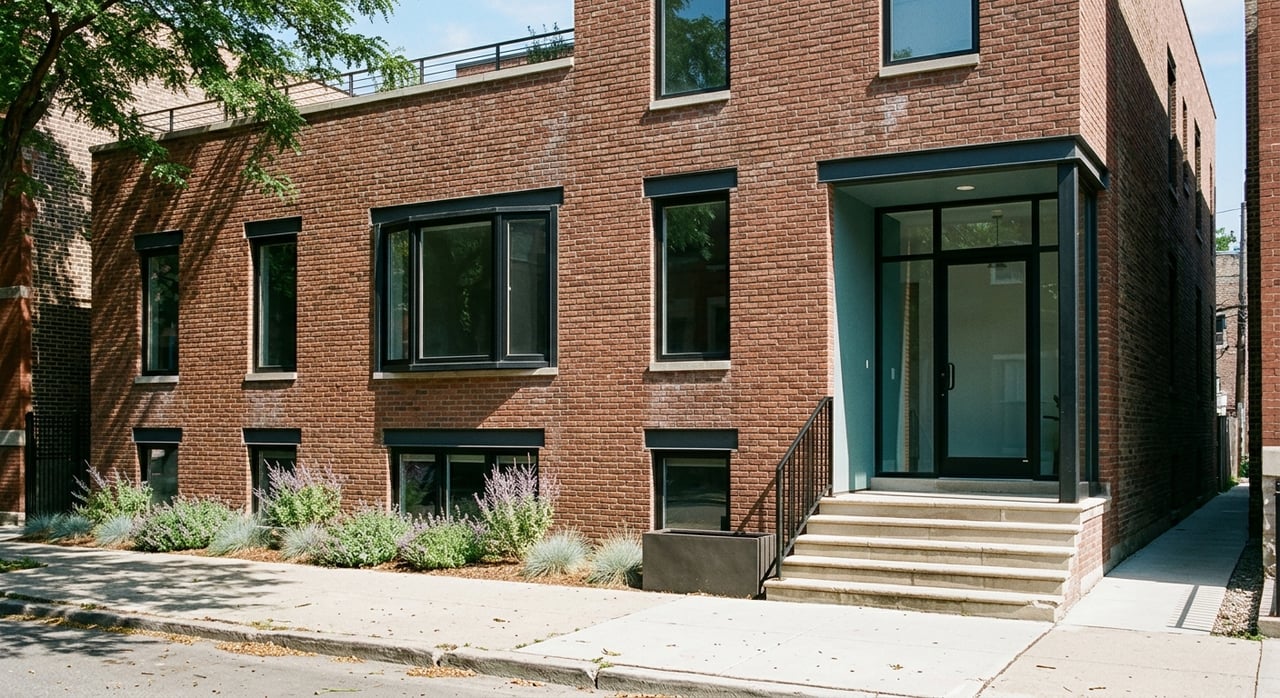
Capitol Hill Condos Vs Houses: How To Choose Your Fit
May 7, 2026
May 7, 2026
If you love Capitol Hill’s energy but feel stuck between buying a condo or holding out for a house, you are not alone. This Denver neighborhood offers a very different housing mix than many other parts of the city, and your best fit often comes down to budget, lifestyle, parking, and how much day-to-day upkeep you want to handle. When you understand how each option works in Capitol Hill, you can make a more confident move. Let’s dive in.
Capitol Hill is one of Denver’s densest residential neighborhoods, and its housing stock reflects that. City planning materials describe a neighborhood filled with older buildings, with 54% built before 1925 and 24% built before 1900. You will also find a landscape shaped more by multi-unit and mixed-use properties than by detached homes.
That matters because your choices here are not evenly spread across property types. Most of the neighborhood is zoned multi-unit or mixed-use, and current inventory snapshots show a condo-heavy market. In practical terms, if you want to buy in Capitol Hill, a condo is usually the most available path.
Capitol Hill is also highly walkable, with a Walk Score of 94. For many buyers, that makes smaller homes, shared amenities, and limited parking feel more workable than they might in a more car-dependent neighborhood.
Before you decide, it helps to look at the three most common ownership paths in Capitol Hill.
Condos are the most common ownership option in the neighborhood. Redfin shows more than 100 condos for sale, which lines up with Capitol Hill’s long-standing mix of apartments, historic conversions, and newer high-rise buildings.
For many buyers, condos offer the easiest entry point on price. Recent examples in Capitol Hill range from the low $200,000s for smaller units to the mid-$600,000s for larger or more premium homes.
Townhomes are much less common than condos in Capitol Hill. Recent market snapshots showed only a handful available, which means you may need more patience if this is your preferred property type.
They often appeal to buyers who want more space and a more house-like layout without jumping all the way to detached house pricing. In Capitol Hill, they often sit between condos and houses on both price and privacy.
True single-family houses are the rarest option in Capitol Hill. They do exist, including historic homes and larger house-style properties, but they are usually in a very different budget range than most condos.
That scarcity can make houses feel especially appealing if you want more control, more privacy, or off-street parking. It also means competition and pricing can look very different from the condo market.
For many buyers, price is the clearest place to start. In Capitol Hill, condos are usually the lowest-cost way to buy into the neighborhood.
Recent examples show that range clearly. A 531-square-foot studio sold for $197,500, and a one-bedroom condo sold for $317,000. Larger or more upgraded condos sold for $496,000 and $664,900, so there is still a wide spread depending on size, building, and amenities.
Townhomes tend to land in the middle. Recent examples include a two-bedroom, two-and-a-half-bath townhouse that sold for $590,000 and a three-bedroom, three-bath townhouse that sold for $610,000.
Houses are usually in another price category altogether. One single-family property sold for $1.926 million, which shows how big the jump can be when you move from condo living to a standalone home in Capitol Hill.
A lower purchase price does not always mean a lower monthly cost. In Capitol Hill, HOA dues can significantly affect what you actually pay each month.
Some condo dues are fairly moderate. One example at 855 N Pennsylvania St had $209 per month in HOA dues and included a pool, fitness room, clubhouse, and one covered parking space.
Other buildings carry much higher dues. A condo at 1050 N Corona St had $500 per month in HOA dues, though the listing said those dues covered heat, A/C, water, sewer, and trash.
Townhomes can also come with meaningful dues. A townhouse at 935 N Pennsylvania St had $570 per month in HOA dues and included a private attached two-car garage and access to a courtyard pool.
Houses typically do not have HOA dues listed in Capitol Hill examples. That can lower your fixed monthly line item, but it also means you are generally taking on more direct responsibility for maintenance, repairs, and future improvements.
Your daily routine should play a big role in this decision. A condo often works well if you want a simpler, lock-and-leave lifestyle with less exterior maintenance to manage yourself.
That setup can be especially appealing if you travel often, work long hours, or want a home base close to city life without taking on a long home-maintenance list. Shared amenities can also add convenience, especially when dues cover utilities or building services.
A townhome often offers a middle ground. You may get more square footage, more storage, and a layout that feels more private than a condo, while still sharing some maintenance responsibilities through an HOA.
A house usually gives you the most control. If you want more say over the property, value extra privacy, or prefer not to answer to an association for shared spaces, a detached home may feel like the better fit.
In Capitol Hill, parking is not a small detail. It can be one of the biggest factors in whether a property feels easy or frustrating to live in.
Denver’s Residential Parking Permit program can exempt residents from posted on-street time limits in designated zones, but eligibility is not automatic for every building. Large multi-unit dwellings can be ineligible when unit counts far exceed available street parking, and permit maximums also consider off-street parking availability.
That is why you should look closely at each property rather than assume the neighborhood works the same block to block. Some condos come with one deeded or covered parking space, some have no guaranteed space, many townhomes include an attached garage, and some houses offer a garage or off-street parking depending on the lot.
If you own a car, ask specific questions early. Parking can quickly reshape the value of a lower-priced condo versus a more expensive townhome or house.
If you are thinking ahead to future leasing, it helps to understand Denver’s rules before you buy. Denver’s residential rental licensing rules apply broadly to residential rental property types, including condos, townhomes, and single-family homes when they are rented for 30 days or more.
That means long-term rental flexibility is available across property types if the property is properly licensed. If you are buying with the idea that you may later rent the home out, this is an important part of your planning.
Short-term rentals are more limited. Denver requires a license for stays under 29 nights, and the property must be the host’s primary residence.
For many buyers in Capitol Hill, that means the key question is not whether a property can ever become a rental. The better question is whether your likely future rental strategy fits Denver’s current rules.
There is no universal winner in the condo versus house debate. The right answer depends on what you want your money, time, and home life to look like.
If you are narrowing down your options in Capitol Hill, these questions can help clarify your next step:
Your answers will usually point you toward the right property type faster than price alone.
Capitol Hill offers a lot of personality and a wide range of ownership experiences, but it rewards buyers who look beyond the listing photos. A condo may give you the easiest path into the neighborhood. A townhome may offer the balance you want. A house may make sense if you are planning for more space, more control, and a higher budget. If you want help comparing real monthly costs, building rules, and property-by-property tradeoffs in Capitol Hill, Live.Laugh.Colorado. Real Estate Group is here to help you find the fit that feels right.
Stay Up To Date on The Latest Real Estate Trends

There's a number that measures how happy your house makes you. In a month built around gratitude, it might be a great number worth looking at.
Elevate your real estate career with Live.Laugh. Join our supportive, community-driven team and access expert guidance, innovative marketing, and a culture of growth. Let’s build something amazing together!
Sign up for our newsletter to receive exclusive updates, expert tips, and the latest real estate insights directly to your inbox!

(720) 663-0022
[email protected]
2405 E 28th Avenue
Denver, CO 80205