How Erie Living Fits Your Next Home Chapter
May 21, 2026
May 21, 2026
Thinking about a move and wondering whether Erie fits the way you actually want to live? That is a smart question to ask before you fall in love with a home. Erie offers a mix of newer housing, strong outdoor access, and an easy-to-understand suburban lifestyle, but it also comes with price points and commute patterns you should weigh carefully. If you want a clearer picture of what daily life in Erie can look like, this guide will help you sort through the tradeoffs and opportunities. Let’s dive in.
Erie is one of the faster-growing communities along the Front Range. The town reported 40,183 residents in 2024 and estimated 41,916 by the end of 2025, which reflects how quickly it has expanded in recent years. For you, that growth can mean a community with newer homes, evolving amenities, and a lot of momentum.
Its location is a big part of the appeal. Erie sits west of I-25 and has access to SH 7, SH 52, and US 287, with town materials also highlighting connectivity to I-70 and Denver International Airport. If you want a home base that keeps much of the Front Range within reach, Erie checks that box.
Erie tends to appeal to people who want space, trails, parks, and a neighborhood-oriented setting. The town reports a median age of 37.6 and an average household size of 2.99, which points to a suburban profile with many households looking for room to grow and settle in. It is not trying to be a dense urban center, and that is part of what many buyers like about it.
Resident feedback also helps explain the town’s reputation. In the town’s 2023 Community Survey summary, 92% of residents rated Erie as a good or excellent place to live and raise a family, 95% said they talk to their neighbors, and 87% said they would recommend Erie. Those numbers suggest a place where many residents feel connected to the community around them.
If you value everyday connection, Erie has signs of a strong local culture. The same survey summary found that 96% of residents said they feel safe in their neighborhood. Town priorities also include managing growth carefully and protecting open space and natural resources, which can matter if you are thinking about the long-term feel of the area.
Erie also puts a lot of energy into community events. Town materials highlight the Erie Town Fair and Hot Air Balloon Festival, farmers market, Concerts in the Park, Movies in the Park, Brewfest, Boo on Briggs Street, and neighborhood block parties. For many buyers, those events help turn a town into a place that feels like home.
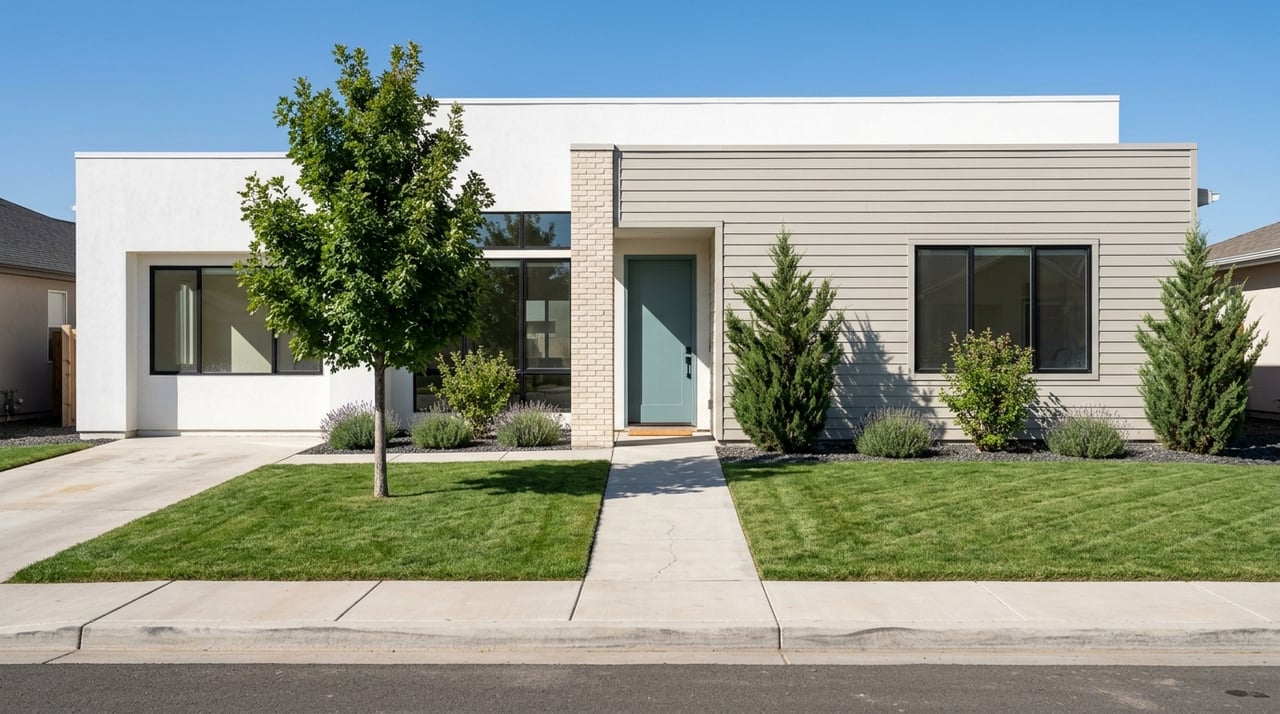
If you picture Erie as a place with a lot of single-family homes, that picture is mostly accurate. Census QuickFacts reports an owner-occupied rate of 87.6%, and the town’s 2025 housing report says about 93% of residents live in single-family homes while about 7% live in multifamily units. That creates a housing landscape that feels more suburban and ownership-focused than many other metro-area options.
Erie also has a relatively new housing stock compared with some nearby communities. Town planning materials note that the town has some of the newest housing in the region. If you are drawn to newer layouts, contemporary finishes, and neighborhoods built with modern infrastructure, that can be a meaningful plus.
Even though Erie is still dominated by single-family homes, the town is actively planning for more options. Local planning documents call for more townhomes, paired homes, stacked flats, apartments, condos, and accessory dwelling units. That matters if you are a first-time buyer, downsizer, renter, or someone looking for a lower-maintenance property type.
This shift is worth watching because the current mix is still limited in some segments. The town notes an unusually low proportion of rental units and says more than half of renters are cost-burdened. Over time, a broader housing mix could create more flexibility for people trying to enter or stay in the community.
Erie is not a budget outlier on the edge of the metro. Current market readings place the town in the mid-$700,000s, with Redfin reporting a median sale price of $768,000 in March 2026, Zillow reporting an average home value of $725,091, and Realtor.com showing a median list price of $750,000. Those numbers point to a market that remains relatively expensive.
That does not mean Erie lacks value. It means you should go in with a realistic budget and a clear idea of what matters most to you, whether that is square footage, newer construction, outdoor access, or commute convenience. For many buyers, Erie can feel like a lifestyle decision as much as a financial one.
Census QuickFacts reports a median owner-occupied home value of $736,500. It also reports median monthly owner costs of $3,174 with a mortgage and a median gross rent of $2,805. Those figures show that both buying and renting in Erie can require a meaningful monthly housing budget.
If you are deciding whether to rent first or buy now, it helps to compare your timeline, monthly comfort level, and long-term plans. In a market like Erie, clarity on your goals can make your next step easier to choose.
Erie works well for many people because of its regional access, but it is still largely car-oriented. The town says most residents commute to nearby cities for work and rely on passenger vehicles, while Census QuickFacts reports a mean travel time to work of 25.6 minutes. If you are moving from a more urban area, that shift in daily rhythm is worth considering.
At the same time, transportation options are improving. The town reports that the current JUMP route connects Downtown Boulder Station and the Erie Community Center, and that all Erie properties were annexed into RTD in 2024. According to town materials, that change brought new bus stops, free-fare benefits, a park-and-ride, and the Erie Bee microtransit service operated with Via Mobility Services.
For some buyers, Erie offers a sweet spot between access and breathing room. You may be able to reach major job centers while living in a setting that feels less dense and more residential. If your work takes you around the Front Range and you do not mind driving, Erie may feel practical.
If daily walkability to dense retail or office clusters is high on your list, Erie may feel different from more central neighborhoods. The tradeoff is that you often gain newer housing, trail access, and a calmer pace. The key is matching the town’s layout to your actual routine, not your idealized one.
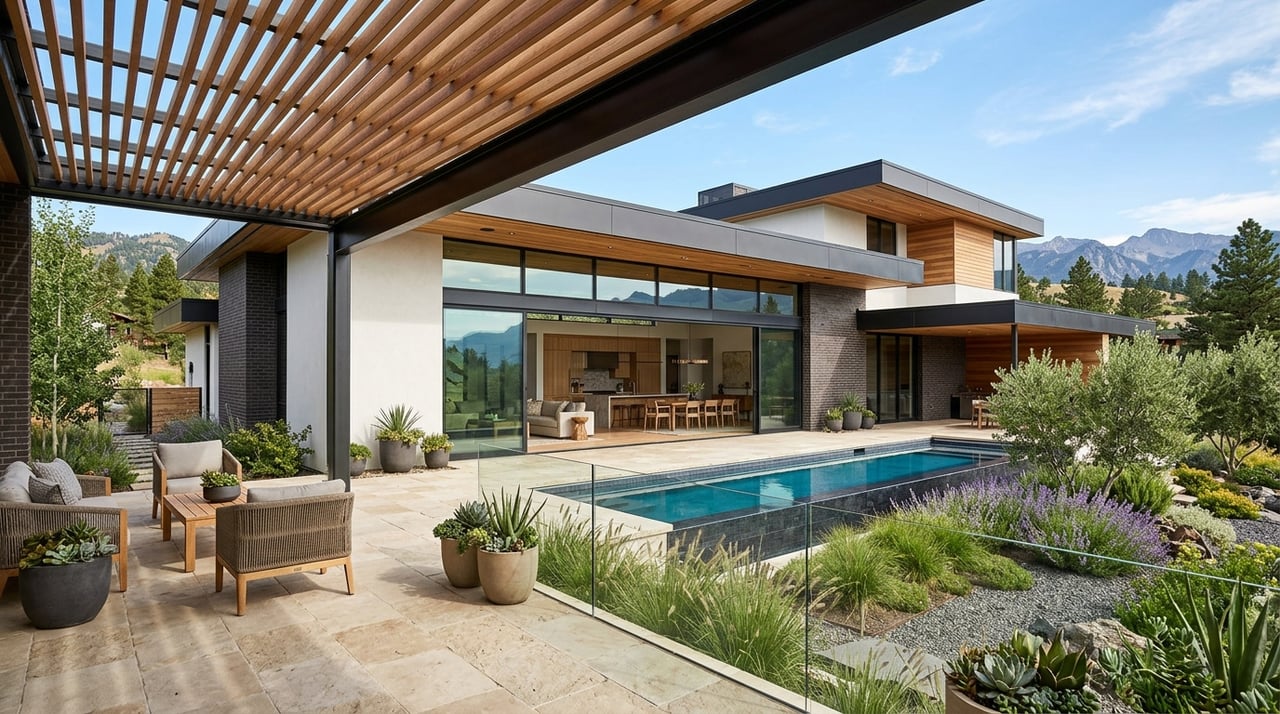
Outdoor access is one of Erie’s strongest selling points. The town maintains more than 1,500 acres of open space, about 70 miles of trails, 13 neighborhood parks, a community park, a dog park, a skate park, reservoirs, and an 18-hole golf course. It also says 99% of residents live within one mile of a park.
That kind of access can shape your day-to-day life more than you might expect. Whether you like a quick evening walk, weekend bike rides, time at the dog park, or simply having more open land nearby, Erie makes those routines easier to build into your week. For buyers who want recreation close to home, this is a major part of the town’s appeal.
Erie’s amenity picture is not limited to open space. Town materials also highlight the 63,000-square-foot Erie Community Center and the 20,000-square-foot Erie Community Library. Those kinds of facilities can add convenience and support a more connected local lifestyle.
When you combine civic amenities with parks, events, and trail systems, Erie starts to feel like more than a place where you sleep after work. It feels like a town designed to support how people spend their free time too.
Erie may be a strong fit if you want a newer, mostly single-family housing environment with a community-oriented feel and strong outdoor access. It can also make sense if you are comfortable with a market in the mid-$700,000s and understand that many households still rely on a car for commuting and errands. In that way, Erie offers a specific kind of Front Range living rather than trying to be everything at once.
For many buyers, that clarity is a benefit. You are choosing a town known for open space, neighborhood connection, and a suburban pace, while still staying tied into the larger Denver and Boulder area. If that sounds like the lifestyle you want to build around, Erie may fit your next home chapter very well.
If you are comparing Erie with other Front Range communities and want help sorting out price, lifestyle, and home options, Live.Laugh.Colorado. Real Estate Group is here to guide you with a warm, local, education-first approach.
Stay Up To Date on The Latest Real Estate Trends
Elevate your real estate career with Live.Laugh. Join our supportive, community-driven team and access expert guidance, innovative marketing, and a culture of growth. Let’s build something amazing together!
Sign up for our newsletter to receive exclusive updates, expert tips, and the latest real estate insights directly to your inbox!
(720) 663-0022
[email protected]
2405 E 28th Avenue
Denver, CO 80205